
By: Ivani Rara Nirwasita Hasan
What would you do if you had no food to eat, no place to live, and no opportunity to
go to school? For millions of people around the world, this is not just a question, it is their
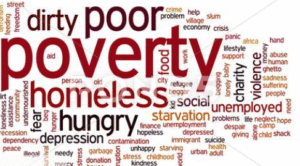
daily reality. Poverty remains one of the most serious global problems, especially in
Indonesia, affecting health, education, and opportunities for a better future. Ending poverty
should be a high priority because it is unfair, limits people's potential, and harms society as a
whole.
Everyone deserves a decent standard of living. No one chooses to be born poor, and
many people live in poverty for reasons out of their control, such as the difficulty of finding a
job because of the unreasonably high standard of requirements, bad government, or lack of
education. Poverty takes away people's opportunity to live healthy and safe lives. In a world
where some people have more than enough, it is unfair that others have nothing. Ending
poverty doesn't mean giving away free money, it means giving everyone an equal chance to
live with dignity.
When people live in poverty, they cannot focus on their future. Children growing up
in poverty are often unable to attend school. Adults may be forced to work for low wages just
to survive. This cycle continues from one generation to the next. Some people argue that
poverty is caused by laziness or poor personal choices. However, this view ignores the fact
that many people are born into poverty and face unfair systems that limit their opportunities,
such as lack of access to quality education, healthcare, or decent work. If people are given
access to education, health and jobs, they can improve their lives. Ending poverty not only
helps individuals, but also communities and countries to grow stronger.
Poverty not only impacts individuals, but also damages society as a whole. High levels of poverty often cause increased crime, poor health outcomes, and a weaker economy. When a large part of the population cannot contribute productively, the country cannot grow. Helping people out of poverty means investing in the future of the nation. Countries that focus on reducing poverty tend to be more stable, peaceful, and developed.
The effects of poverty can be seen across generations. Children who grow up in poor households often face limited access to quality education, nutritious food, and proper healthcare. This lack of opportunity prevents them from reaching their full potential and continues the cycle of poverty into adulthood. Moreover, poverty weakens social cohesion, creating divisions between the rich and the poor that may lead to social unrest and inequality. A society where opportunities are unevenly distributed will always struggle to achieve harmony and progress.
In conclusion, poverty is not just a personal problem, it is a social unfairness that inhibits individuals from developing and weakens societies. Ending poverty should be one of our main goals, not only to help those in need, but also to build a better future for all people and countries. By ensuring equal access to basic needs and opportunities, we can create a more just and successful world. Reducing poverty is not charity, but rather a moral responsibility and a strategic investment in human capital, peace, and sustainable development.
Pondok Pesantren Darun Nun