Overlooked Knowledge in Mountaineering
written by: Muh. Sabilar Rusydi
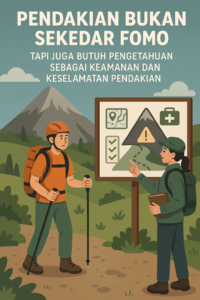
Mountain climbing has become a widely popular trend, especially with social media rapidly showcasing the beauty of mountains, which is a major reason for the current surge in climbing activities. However, behind this allure lies a serious and often overlooked problem: the phenomenon “existence” or showing off. Many climbers, especially beginners—often referred to as ‘fomo’ climbers—prioritize taking cool photos for social media over thoroughly researching preparations before, during, and after a climb.
Many preparations are currently neglected by novice climbers, or "fomo climbers," including adequate nutrition and proper equipment. They often bring only minimal provisions such as instant noodles, light snacks, and coffee, which are clearly insufficient for extreme physical activity. In reality, the body expends a significant amount of energy during mountain climbing. Research indicates that the average Basal Metabolic Rate (BMR) during climbing can exceed 3200 calories in a day, double that of a resting state. This caloric need further increases with the elevation of the mountain being climbed.
The consequences of this neglect are often fatal. Nutritional deficiencies lead to extreme fatigue, decreased performance, and an increased risk of injury or hypothermia (a drastic drop in body temperature), especially at high altitudes or in cold weather. Ironically, many accidents occur when climbers are either ascending or descending, as their bodies have run out of energy and can no longer function optimally. Beyond nutrition, inadequate equipment, such as single-layer tents or bringing only blankets instead of sleeping bags, also exacerbates the risk of hypothermia.
Climbing Requires Knowledge, Not Just Desire
To address these issues, a shift in mindset and science-based preparation are crucial:
- Comprehensive Nutritional Education: Climbers must understand that the body requires the right fuel. Prioritize calorie-dense, lightweight, and easily digestible foods such as complex carbohydrates (oats, rice), high-quality proteins (dried eggs, protein bars), and healthy fats (nuts, seeds, dark chocolate).
- Strategic Eating Patterns: Do not wait until severe hunger sets in. Consume easily digestible foods in small, frequent portions (every 2-3 hours) to maintain stable blood sugar levels. High-sugar foods can also be considered for an instant energy boost, given the substantial energy demands. Furthermore, optimal hydration with water and electrolyte drinks must always be maintained, and energy gels should be considered for immediate boosts.
- Mentorship and Guidance: For novice climbers, it is highly recommended to climb with more experienced mountaineers. They serve not only as guides but also as mentors who can impart knowledge about the wilderness, safety protocols, and proper nutrition management.
- Cultural Shift: We need to shift priorities from “showing off” on social media to “scientific preparation” and safety awareness. Mountain climbing is a serious activity that demands respect for nature and for one’s own body to prevent accidents.
Conclusion
Scientific knowledge about climbing is the most crucial resource for pre-climb preparation. Optimal calorie and nutrition management is the fundamental basis for climbing safety. Climbers energy needs are highly personal and increase with elevation. The gap in understanding and the “existence” phenomenon among novice climbers have led to an increased risk of accidents.
With proper nutritional planning, adequate hydration, and guidance from experienced individuals, climbers can maintain physical performance, prevent extreme fatigue, and significantly enhance their safety. Let us make mountain climbing in Indonesia more professional and sustainable, rather than merely a fleeting trend that sacrifices safety. Climbing with knowledge is the key to enjoying the beauty of the peak without compromising oneself.